

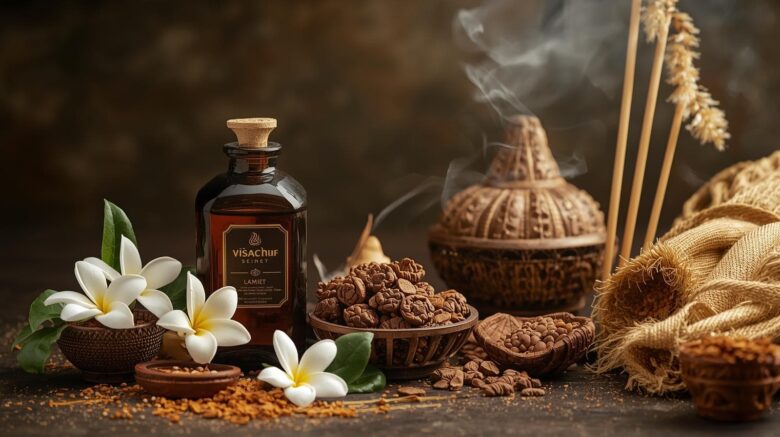
For centuries, the air in Sri Lanka has been perfumed by more than just the sea breeze. It carries a story—a fragrant narrative woven from temple offerings, wedding ceremonies, and the quiet moments of daily life. Our scent preferences are deeply cultural, a subtle language of memory and identity. While global brands dominate shelves, there’s a powerful resurgence of our own aromatic heritage in modern perfumery. Let’s explore the traditional Sinhalese and Tamil scent notes that are finding new life in contemporary bottles.
The Sacred & The Sensual: Core Traditional Scents
At the heart of Sri Lankan fragrance culture lie a few iconic notes. Jasmine (Pichcha) is arguably the queen. Its intoxicating, sweet-floral scent is synonymous with purity, devotion, and femininity. You’ll smell it in temple offerings, woven into bridal hair, and blooming in gardens at dusk. For many Tamils, jasmine (Malligai) holds similar sacred and ceremonial significance. Then there’s Sandalwood (Santalum album). Its creamy, woody, and subtly sweet aroma is deeply meditative and grounding. Used in religious rituals, Ayurveda, and traditional woodcraft, its scent evokes peace, spirituality, and timeless elegance. Another star is the Temple Flower or Frangipani (Araliya). Its soft, creamy, and intoxicating floral scent, often with hints of coconut and jasmine, is the very smell of serenity, commonly found in temple courtyards and home gardens.
From Tradition to Trend: Modern Perfumery’s Embrace
Today’s master perfumers aren’t ignoring this rich palette. They are artfully blending these classic notes with modern accords to create scents that resonate with both nostalgia and contemporary tastes. You might find a jasmine note, once solitaire, now paired with sparkling citrus or deep oud to add complexity. Sandalwood forms a warm, comforting base in woody-oriental fragrances, providing a familiar anchor. The dreamy note of araliya is being used in lush floral bouquets and creamy skin scents, capturing that essence of tropical tranquility. This fusion allows us to wear a piece of our culture in a way that fits modern life—whether at the office, a dinner, or a special event. It’s tradition, reinvented.
Finding Your Cultural Scent Signature
So, how do you explore these scents? Start by identifying which traditional note you’re most drawn to. Do you love the uplifting, floral romance of jasmine, or the calm, woody assurance of sandalwood? Perhaps the creamy, tropical vibe of araliya calls to you. Look for these notes in the description of modern perfumes. Many niche and designer brands now explicitly use them. For a curated selection that might include such culturally-infused fragrances, exploring local specialists like perfuma.lk can be a great start. Don’t be afraid to layer either! A sandalwood-heavy perfume might be beautifully softened with a single spritz of a pure jasmine attar, creating a truly personal blend.
Our scent preferences are a beautiful, invisible thread connecting us to our past. The love for jasmine, sandalwood, and temple flowers is more than just a taste—it’s cultural memory in a bottle. As modern perfumery continues to celebrate these ingredients, we get the unique opportunity to carry our heritage with us, in the most personal way possible. It’s not just about smelling good; it’s about smelling like home.