

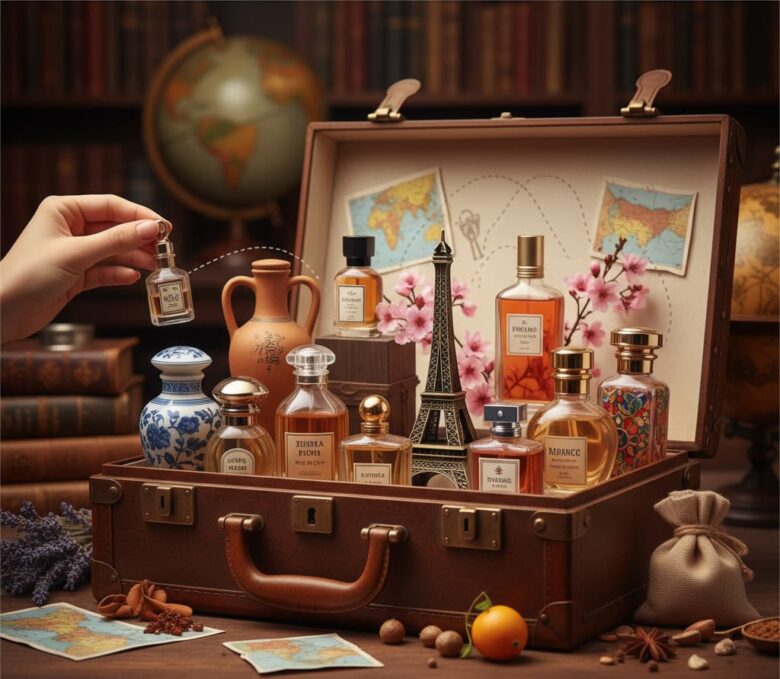
Perfumes offer a fragrant journey through diverse cultures and regions.
Perfumes offer a fragrant journey through diverse cultures and regions.
Aromatic Adventures: Discovering the World Through Perfume
Perfume is much more than a pleasant aroma; it is a fragrant expression of culture, geography, and history. Each country brings its own unique ingredients, techniques, and olfactory traditions to the art of perfumery. From the aromatic spice markets of the East to the floral meadows of Europe, perfumes introduced by different countries reveal fascinating regional specialties that invite us to explore the world through scent.
France: The Classic Capital of Perfumery
When perfume is mentioned, France often springs to mind first. The country’s deep-rooted history in perfume dates back to the Renaissance, with Grasse becoming known as the perfume capital of the world. French perfumes are renowned for their elegance, complexity, and luxurious craftsmanship.
- Regional Ingredients: Lavender from Provence, jasmine from Grasse, and mimosa are signature raw materials.
- Signature Styles: Floral bouquets, chypres, and aldehydic compositions dominate French perfumery.
- Iconic Examples: Chanel No. 5, Guerlain’s Shalimar, and Dior’s J’adore.
French brands like Chanel and Guerlain continue to innovate while honoring their heritage, producing scents that echo the timeless artistry of French perfumery (Fragrantica).
Middle East: The Land of Opulence and Spices
The Middle East has a rich tradition of perfumery rooted in the use of precious resins, woods, and spices. Perfumes from this region often embody warmth, depth, and an intoxicating allure.
- Regional Ingredients: Oud (agarwood), amber, frankincense, musk, and rose are staples.
- Signature Styles: Rich, resinous, and often unisex scents with a strong sillage.
- Iconic Perfumes: Arabian Oud’s Kalemat and Amouage’s Interlude Man.
These perfumes highlight the region’s cultural appreciation for potent and enduring scents. The use of oud, a rare and expensive wood, is a hallmark of Middle Eastern perfumery and has gained global popularity in recent years (Basenotes).
Japan: Minimalism Meets Nature
Japanese perfumery is defined by subtlety, balance, and an intimate connection with nature. The country’s fragrances tend to be delicate and refined, often inspired by seasonal changes and traditional aesthetics.
- Regional Ingredients: Cherry blossom, hinoki (Japanese cypress), yuzu citrus, and green tea.
- Signature Styles: Light, clean, and often aquatic or green accords.
- Notable Brands: Shiseido’s Zen and Comme des Garçons’ Amazingreen.
Japanese perfumes often evoke a sense of tranquility and impermanence, aligning with the cultural concept of wabi-sabi. Their minimalist compositions reflect a refined craftsmanship that celebrates nature’s fleeting beauty (Now Smell This).
Sri Lanka: The Island of Spices and Exotic Blooms
Sri Lanka offers a unique perfume heritage combining tropical flora with exotic spices. The island’s biodiversity and ancient spice trade history influence its contemporary perfume scene.
- Regional Ingredients: Cinnamon, clove, sandalwood, and native flowers like frangipani and jasmine.
- Signature Styles: Warm, spicy, and floral blends with a tropical twist.
- Emerging Brands: Perfuma and Victorias.lk are championing Sri Lankan-inspired fragrances.
Sri Lankan perfumers are increasingly spotlighting indigenous ingredients, crafting scents that celebrate the island’s lush landscapes and cultural heritage. These perfumes provide a sensory journey through the warm, spice-laden air and vibrant blossoms of Sri Lanka.
Italy: Mediterranean Elegance and Freshness
Italy’s perfume tradition is all about Mediterranean freshness: sun-kissed citrus, aromatic herbs, and floral beauty. Italian perfumes often convey a vibrant, effortless elegance.
- Regional Ingredients: Bergamot from Calabria, lemon, rosemary, and orange blossom.
- Signature Styles: Bright, fresh, and sparkling citrus-focused scents.
- Famous Examples: Acqua di Parma Colonia and Dolce & Gabbana Light Blue.
Italian perfumery captures the essence of la dolce vita, emphasizing lightness and vitality. The use of citrus fruits, particularly bergamot, is a defining trait that adds uplifting brightness to Italian fragrances (Fragrantica).
How to Sample or Buy Perfumes from These Regions
Exploring international perfumes is easier than ever thanks to specialized retailers offering curated selections from around the world. Here are some recommended shops to discover these regional scents:
- PerfumiQ (UK): A treasure trove of niche and international perfumes, ideal for finding French classics and Middle Eastern oud blends.
- Perfuma (Sri Lanka): A homegrown boutique showcasing Sri Lankan-inspired fragrances, perfect for experiencing tropical spice and floral scents.
- Victorias.lk (Sri Lanka): Another excellent Sri Lankan retailer that offers a range of local and imported perfumes, including exotic blends rooted in local tradition.
Sampling perfumes before committing to a full bottle is always recommended. Many retailers offer discovery sets, sample vials, or decants, allowing you to explore diverse olfactory landscapes from the comfort of home. Whether you are drawn to the opulence of the Middle East, the minimalism of Japan, or the spice-laden warmth of Sri Lanka, these shops provide a gateway to a world of scent.
Embark on your fragrant journey and let each perfume tell a story of its land of origin.
Explore more on Global Aromas: Discovering Perfumes and Their Regional Roots.