

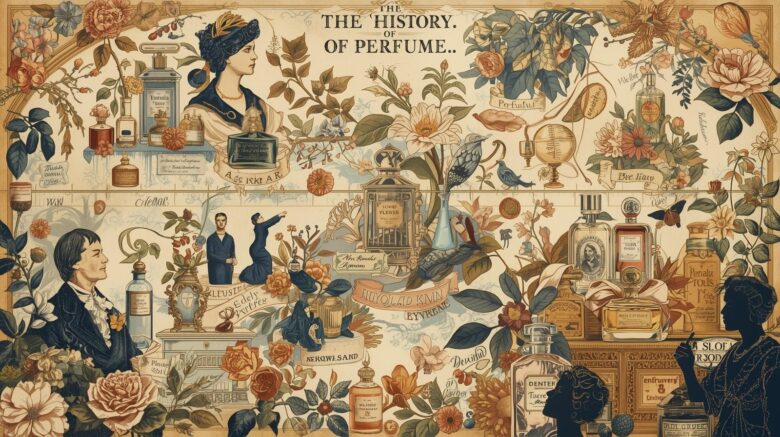
The history of perfume reveals a captivating journey through time and culture.
history of perfume — Overview
Introduction: The Timeless Allure of Perfume
From the earliest human rituals to the luxury boutiques of today, perfume has captivated senses, symbolized status, and sparked creativity. Its aromatic journey is rich with cultural milestones and visionary figures who shaped this fragrant art form. Understanding perfume’s history offers a window into the evolving relationship between humans and scent, revealing how each era distilled its identity into a bottle.
Ancient Origins: The Birth of Fragrance
The story of perfume stretches back over 4,000 years, rooted in ancient civilizations where scent played spiritual and social roles. The Egyptians, often credited with pioneering perfumery, used aromatic oils in religious ceremonies, embalming, and personal grooming. Queen Cleopatra famously employed scents like myrrh and frankincense to enhance her allure.
Key milestones from this era include:
- 2700 BCE: The earliest written records of perfumery appear in Mesopotamian texts, describing recipes for aromatic concoctions.
- Ancient Egypt: Perfume was crafted from natural ingredients such as flowers, resins, and spices, distilled using rudimentary methods.
- Greek and Roman Influence: Perfumes became associated with luxury and hygiene; Roman baths often featured scented oils and incense.
These foundations established the association of perfume with both the sacred and the sensual, a duality that continues to define the art today.
The Middle Ages and Renaissance: Alchemy Meets Artistry
Following the fall of the Roman Empire, perfumery knowledge spread through the Islamic world, where scholars refined distillation techniques. The 8th-century chemist Avicenna is credited with perfecting the steam distillation of rose oil, a breakthrough that revolutionized fragrance extraction.
During the European Renaissance, perfume regained prominence among aristocrats and royalty, intertwining with fashion and etiquette. Venice and Grasse emerged as key centers of perfume production, the latter eventually becoming the world’s fragrance capital.
- Avicenna (Ibn Sina): His innovations in distillation made essential oils more accessible and pure, laying groundwork for modern perfumery.
- Catherine de’ Medici: The Italian noblewoman brought perfume to the French court in the 16th century, influencing European tastes.
- Grasse’s Rise: This French town specialized in cultivating aromatic plants and producing perfumes, a tradition that persists today.
This era blended science and artistry, with perfumes evolving from crude mixtures to sophisticated compositions.
The 19th Century: Industrialization and Innovation
The Industrial Revolution introduced chemical synthesis, vastly expanding the palette of fragrance ingredients. Synthetic molecules such as vanillin and coumarin allowed perfumers to create scents previously impossible with natural extracts alone.
Significant developments included:
- Jean-François Houbigant: His 1882 fragrance “Fougère Royale” was the first to use synthetic coumarin, inaugurating the fougère family.
- Paul Parquet: Creator of “Fougère Royale” and a pioneer who demonstrated how synthetics could transform perfumery.
- Emergence of Designer Perfumes: The late 19th century saw the birth of iconic houses like Guerlain, which blended tradition with innovation.
This period set the stage for perfumery as both an art and an industry, making fragrances more widely available and diverse.
20th Century: The Golden Age and Celebrity Influence
The 20th century witnessed perfumery’s explosion into mass culture, marked by iconic creations and the rise of celebrity endorsements. Coco Chanel’s 1921 launch of Chanel No. 5 revolutionized modern perfume, combining aldehydes with floral accords to create an abstract yet elegant scent.
Noteworthy figures and milestones include:
- Ernest Beaux: Creator of Chanel No. 5, his innovative use of synthetics set new standards.
- Jean-Paul Guerlain: A key figure in maintaining the heritage and evolution of one of perfumery’s oldest houses.
- Celebrity and Designer Brands: Figures like Elizabeth Taylor and brands such as Dior and Yves Saint Laurent helped popularize designer perfumes worldwide.
The 20th century also saw the birth of niche perfumery, with artisans crafting unique scents beyond mainstream appeal.
Modern Era: Diversity and Sustainability
Today’s perfumery reflects global influences, technological advances, and growing environmental awareness. Independent brands and artisanal perfumers explore new raw materials and storytelling through scent, while sustainability and ethical sourcing have become essential considerations.
Contemporary trends include:
- Natural and Organic Ingredients: A response to consumer demand for transparency and eco-friendliness.
- Gender-Neutral Fragrances: Breaking traditional boundaries, reflecting evolving social norms.
- Digital Innovation: Online platforms and AI tools assist consumers in discovering personalized scents.
This dynamic landscape continues to honor perfume’s rich heritage while embracing innovation and inclusivity.
How to Sample or Buy Perfumes Today
Exploring perfume’s history is deeply rewarding, but experiencing scents firsthand is essential. Sampling allows you to appreciate the nuances and personal resonance of each fragrance.
Here are some recommended ways to discover your next signature scent:
- Sample Boxes: Many retailers offer curated sample sets, enabling you to explore a variety of styles and brands.
- Visit Specialist Shops: Stores like PerfumiQ (UK) provide expert guidance and access to a diverse fragrance selection.
- Explore Local Markets: In Sri Lanka, Perfuma and Victorias.lk offer regional and international perfumes, reflecting both heritage and modern trends.
Sampling is the best way to connect with perfume’s timeless magic and find scents that speak to your story.
Conclusion
Perfume’s history is a fragrant tapestry woven from ancient rituals, scientific breakthroughs, and artistic genius. Each milestone and influential figure added depth and dimension to this sensory art, shaping how we experience and express identity through scent. As you explore perfumes today, you participate in a tradition that spans millennia—a celebration of beauty that continues to evolve with every spritz.
References:
Fragrantica, Basenotes, Now Smell This
Explore more on Habanera by Arte Profumi: The Perfect Autumn Fragrance.