

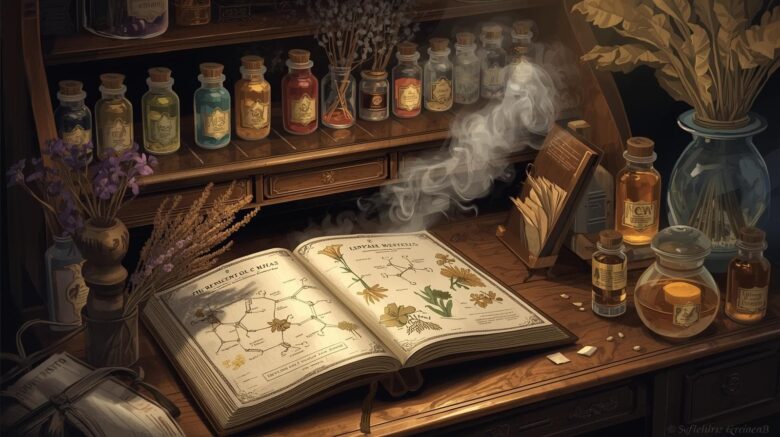
Unlocking the World of Fragrance Oils: More Than Meets the Nose
Fragrance oils and ingredients form the heart of every perfume, candle, and scented product we cherish. While many recognize notes like lavender, vanilla, or rose, the realm of scent is vast and often shrouded in intriguing secrets. Delving deeper reveals fascinating tales of rarity, chemistry, and cultural significance that enrich our sensory experiences.
The Enigmatic Origins of Some Fragrance Oils
Many fragrance ingredients have histories that stretch back centuries, yet their origins or production methods remain lesser known.
1. Ambroxan: The Synthetic Treasure from Ambergris
Ambergris, often called “floating gold,” is a rare, waxy substance produced in the digestive system of sperm whales. Historically prized in perfumery for its warm, musky, and sweet aroma, ambergris is now ethically and legally challenging to source.
Enter Ambroxan, a synthetic molecule that replicates the scent of ambergris without the ethical concerns. Developed in the mid-20th century, Ambroxan has become a cornerstone in modern perfumery, offering longevity and a signature musky warmth. Its impact is so profound that many iconic fragrances, including Dior Sauvage and Maison Francis Kurkdjian’s Baccarat Rouge 540, rely heavily on Ambroxan (Fragrantica).
2. Orris Root: The Violet-Like Treasure That Takes Years to Mature
Orris root, derived from the rhizomes of the Iris germanica plant, is renowned for its powdery, violet-like aroma. What many don’t realize is that the roots must be carefully harvested, dried, and aged for at least three years to develop their signature scent. This lengthy maturation process contributes to its rarity and cost.
Used as a fixative and a heart note in many fine perfumes, orris root brings a soft, elegant character that is difficult to replicate synthetically. Its labor-intensive production makes it a precious ingredient in perfumery (Basenotes).
Unusual Fragrance Oils and Their Surprising Properties
Beyond their aromas, some fragrance ingredients have unexpected characteristics that influence their use and appeal.
3. Hedione: The Radiant Floral with Mood-Lifting Effects
Hedione is a synthetic fragrance molecule inspired by methyl jasmonate, found naturally in jasmine. Its fresh, radiant jasmine-like scent has a delicate transparency that enhances brightness in fragrances.
Scientific studies suggest that Hedione may activate areas of the brain related to emotion and pheromone detection, potentially enhancing mood and social bonding. This neuro-olfactory effect makes Hedione a beloved ingredient among perfumers aiming for fragrances that feel both inviting and uplifting (Now Smell This).
4. Calone: The Oceanic Note That Revolutionized Aquatic Scents
Introduced in the 1980s, Calone has an unmistakable watery, melon-like freshness evocative of sea breeze and salt air. Before its advent, aquatic notes were challenging to capture authentically.
Calone’s discovery opened the door to a whole new category of “marine” or “aquatic” fragrances, transforming perfumery and inspiring classics like Acqua di Gio by Giorgio Armani. Its unique scent profile is derived from synthetic chemistry, showcasing how technology can create entirely new aromatic experiences (Fragrantica).
Rare and Unexpected Natural Ingredients
While many synthetic molecules have expanded perfumers’ palettes, some natural ingredients remain rare and enigmatic.
5. Tagetes Oil: The Marigold with a Twist
Extracted from the leaves of the Tagetes plant (a type of marigold), tagetes oil possesses a green, metallic, and slightly fruity aroma that is often described as “catty.” Its unusual scent profile adds complexity and an intriguing edge to chypre and fougère fragrances.
Despite its strong character, tagetes oil is used sparingly, making it a hidden gem in many compositions. Its rarity and distinctiveness make it a favorite for perfumers seeking to add depth and uniqueness.
6. Davana: The Sweet Herb from India
Davana, a fragrant herb native to India, yields a fruity, sweet, and slightly balsamic essential oil. Its scent can be reminiscent of apricot or ripe berries, offering a warm and sensual nuance.
Used traditionally in Ayurvedic medicine and religious rituals, davana oil is prized for its emotional and calming effects. It is a rare ingredient in Western perfumery but cherished in Indian traditional scents and niche fragrances (PerfumiQ).
How to Sample or Buy These Unique Fragrance Ingredients
Exploring these fascinating fragrance oils and ingredients firsthand can deepen your appreciation for perfumery’s art and science. Whether you’re a seasoned collector or a curious newcomer, sampling is key.
- PerfumiQ (UK): A treasure trove for niche and rare fragrance oils, PerfumiQ offers curated selections and detailed descriptions to guide your discovery journey. Visit PerfumiQ for exclusive finds and samples.
- Perfuma (Sri Lanka): Known for its quality and variety, Perfuma provides access to unique essential oils and fragrance components, perfect for enthusiasts interested in natural and exotic ingredients. Explore their offerings at Perfuma.
- Victorias.lk (Sri Lanka): A trusted retailer with a wide range of perfumes and oils, including niche and artisanal brands. Ideal for sampling established and rare scents alike. Check their collection at Victorias.lk.
Sampling small quantities or discovery sets allows you to experience the complexity and subtlety of lesser-known ingredients without committing to full bottles. Always look for reputable sources that provide transparency about ingredient origins and quality.
Final Thoughts
The world of fragrance oils and ingredients is a vast, mysterious landscape rich with stories, science, and sensory delights. From the ancient ambergris-inspired Ambroxan to the fresh wave of Calone, each note carries a legacy and innovation that shape how we perceive scent.
Next time you spritz your favorite perfume, remember the hidden gems and lesser-known facts behind its composition — a true testament to the artistry and alchemy of perfumery.
Explore more on Tracing the Scents of Time: Milestones and Influential Figures in the History of Perfume.