

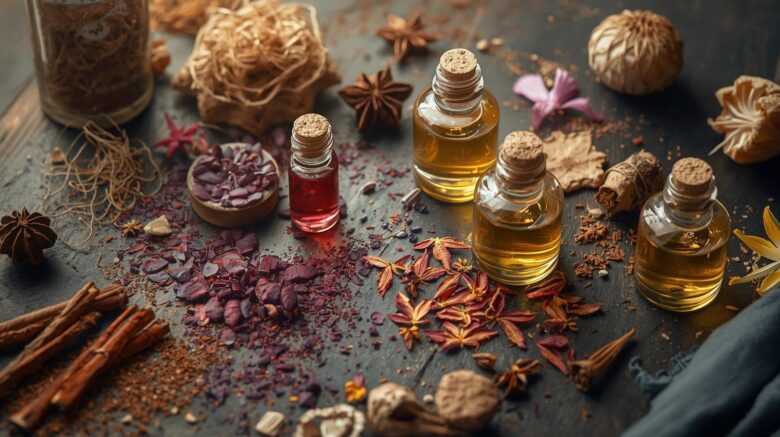
Fragrance oils are vital to understanding the art of perfumery.
Fragrance oils are vital to understanding the art of perfumery.
Fragrance oils are the essence of perfumes, revealing captivating stories behind their ingredients.
Fragrance oils are the heart of every perfume, revealing fascinating facts about their ingredients.
Fragrance oils are the heart of every perfume, revealing fascinating stories behind their ingredients.
Fragrance oils are the heart of every perfume, revealing fascinating stories behind their ingredients.
Fragrance oils are the heart of every perfume, revealing fascinating stories behind their ingredients.
Fragrance oils are the heart of every perfume, revealing fascinating facts about their ingredients.
Fragrance oils are the heart of every perfume, revealing fascinating facts about their ingredients.
Fragrance oils are the essence of every perfume, revealing fascinating stories behind their ingredients.
Fragrance oils are the heart of every perfume, revealing fascinating stories behind their ingredients.
Fragrance oils are vital to understanding the art of perfumery.
Fragrance oils are the heart of every perfume, revealing fascinating stories behind their ingredients.
Fragrance oils are the heart of every perfume, revealing fascinating stories behind their ingredients.
Fragrance oils are the heart of every perfume, revealing fascinating stories behind their ingredients.
Fragrance oils are the essence of every perfume, revealing captivating stories behind their ingredients.
Fragrance oils are the heart of every perfume, revealing intriguing facts about their unique ingredients.
Fragrance oils are the heart of every perfume, revealing fascinating facts about their origins and uses.
Fragrance oils are essential in understanding the art of perfumery.
Fragrance oils are essential in the world of perfumery, revealing fascinating stories behind their ingredients.
Fragrance oils are the heart of every perfume, revealing fascinating facts about their ingredients.
Fragrance oils are the heart of every perfume, revealing fascinating facts about their ingredients.
Fragrance oils are the heart of every perfume, revealing fascinating stories behind their ingredients.
Fragrance oils are the heart of every perfume, revealing fascinating stories behind their ingredients.
Fragrance oils are essential in every perfume, revealing fascinating stories behind their ingredients.
Fragrance oils are the heart of every perfume, revealing fascinating stories behind their ingredients.
Fragrance oils are the heart of every perfume, revealing fascinating stories behind their ingredients.
Fragrance oils are vital to understanding the art of perfumery.
Fragrance oils are essential in perfumes, revealing fascinating stories behind their ingredients.
Fragrance oils are the heart of every perfume, revealing fascinating facts about their origins and uses.
Fragrance oils are essential to understanding the art of perfumery.
Fragrance oils are essential to understanding the art of perfumery.
Fragrance oils are the heart of every perfume, revealing intriguing facts about their origins and uses.
Fragrance oils are the heart of every perfume, revealing fascinating stories behind their ingredients.
Fragrance oils are essential to understanding the art of perfumery.
Fragrance oils are vital to understanding the art of perfumery.
Fragrance oils are the heart of every perfume, revealing intriguing facts about their unique ingredients.
Fragrance oils are the heart of every perfume, revealing intriguing facts about their origins and uses.
Fragrance oils are the heart of every perfume, revealing fascinating facts about their ingredients.
Fragrance oils are the heart of every perfume, revealing intriguing facts about their unique ingredients.
Fragrance oils are the essence of perfumes, revealing captivating stories behind their ingredients.
Fragrance oils are the heart of every perfume, revealing fascinating facts about their ingredients.
Fragrance oils are the essence of perfumes, revealing fascinating facts about their ingredients.
Unlocking the Mystique of Fragrance Oils
Fragrance oils are the heart and soul of every perfume, soap, and scented product we cherish daily. Yet, beyond the familiar rose, vanilla, or lavender, lies a world of fascinating ingredients with stories as captivating as their aromas. Whether you’re a seasoned perfumer or a scent enthusiast, exploring these lesser-known facts about fragrance oils and ingredients can deepen your appreciation for the art of perfumery.
Not All Fragrance Oils Are Created Equal
While the term “fragrance oil” broadly refers to aromatic compounds used to scent products, it encompasses a wide variety of types and origins:
- Essential Oils: Extracted naturally from plants through distillation or cold pressing, these oils carry the true essence of their botanical source.
- Absolutes: More concentrated than essential oils, absolutes are usually extracted via solvent methods, capturing delicate aromas like jasmine or tuberose that are difficult to distill.
- Synthetic Fragrance Oils: Created in laboratories to replicate natural scents or invent new ones not found in nature, these allow perfumers incredible creative freedom.
Understanding this distinction is crucial as the quality, longevity, and scent profile of a fragrance oil can vary dramatically depending on its type and extraction method (Basenotes).
The Secret World of Rare and Unexpected Ingredients
Many fragrance oils come from ingredients with surprising stories or uses beyond perfumery:
- Orris Root: Derived from the rhizomes of the iris flower, orris root requires a laborious drying period of up to three years before it develops its signature powdery violet note. It’s prized for its fixative properties, helping scents last longer.
- Castoreum: Extracted from the castor sacs of beavers, castoreum provides a leathery, smoky nuance often used in luxury perfumes. Despite its unusual origin, many modern formulations use synthetic versions due to ethical concerns.
- Ambroxan: A synthetic molecule inspired by ambergris, a rare substance produced in the digestive system of sperm whales. Ambroxan has become a popular and sustainable alternative, offering a warm, musky, and slightly sweet scent favored in contemporary perfumery.
- Galaxolide: A synthetic musk with a clean, sweet aroma, often used to enhance the longevity and depth of fragrances. Unlike traditional animal musks, galaxolide is cruelty-free and widely accepted in the industry (Fragrantica).
Fragrance Oils and Their Cultural Significance
Many fragrance ingredients carry rich cultural histories that influence their use and symbolism:
- Sandalwood: Revered in South Asian spiritual rituals and meditation practices, sandalwood oil offers a creamy, woody aroma. Its sustainable sourcing has become a hot topic as demand outpaces natural supply.
- Frankincense and Myrrh: Ancient resins historically valued for their religious and medicinal uses, these ingredients impart a resinous, balsamic quality to perfumes, evoking mystery and sacredness.
- Vetiver: Known as the “oil of tranquility” in parts of Sri Lanka and India, vetiver’s earthy, smoky scent is believed to ground emotions and promote calmness. This makes it a staple in both perfumery and aromatherapy.
How Extraction Techniques Influence Fragrance Oil Quality
The method used to extract fragrance oils significantly shapes their character and price point:
- Steam Distillation: Common for many essential oils, it preserves a broad spectrum of aromatic compounds but can sometimes alter delicate notes.
- Cold Pressing: Typically used for citrus oils, this method maintains the freshness and brightness of the oil but limits shelf life.
- Solvent Extraction and Enfleurage: Used for fragile flowers, these methods capture subtle nuances but may leave trace residues, making absolutes more expensive and exclusive.
- CO2 Extraction: A modern technique using supercritical carbon dioxide, it yields pure, unaltered oils with excellent longevity and aromatic fidelity, increasingly favored in high-end perfumery.
The Role of Fixatives: Anchoring the Fragrance
Fixatives are ingredients that slow the evaporation of volatile molecules, ensuring a perfume’s scent lasts longer on the skin. Many fixatives are natural, such as:
- Orris Root (as mentioned above)
- Ambergris (or its synthetic counterparts like Ambroxan)
- Labdanum: A resin from the rockrose shrub, imparting a rich, leathery depth and enhancing longevity.
The clever use of fixatives is what often separates a fleeting scent from a memorable one (Now Smell This).
How to Sample or Buy These Unique Fragrance Oils
Exploring these rare and fascinating fragrance oils firsthand can be an enlightening sensory experience. Here are a few trusted retailers where you can discover a wide range of quality fragrance oils and niche perfumes:
- PerfumiQ (UK) – Specializing in niche and artisanal perfumes, PerfumiQ offers curated selections that highlight unique fragrance ingredients.
- Perfuma (Sri Lanka) – A great destination for authentic and exotic fragrance oils, including traditional Sri Lankan scents.
- Victorias.lk (Sri Lanka) – Offering a variety of perfume oils and ingredients, perfect for those looking to explore regional aromatic treasures.
Sampling is key. Many of these shops provide sample options or decants, allowing you to experience the depth and nuance of each oil before committing to a full bottle.
Final Thoughts
The world of fragrance oils is vast and endlessly intriguing. From rare botanical extracts to innovative synthetics, each ingredient tells a story and shapes how we experience scent. By delving into these lesser-known facts, you not only enrich your knowledge but also deepen your sensory connection to the perfumes you love.
Explore more on Unveiling Hidden Aromas: Lesser-Known Facts About Fragrance Oils and Ingredients.