

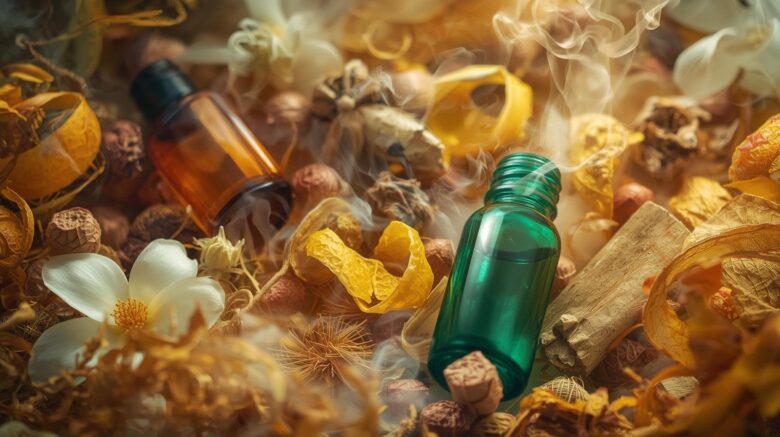
Fragrance oils hold fascinating secrets that enhance your scent experience.
Fragrance oils reveal fascinating secrets that elevate your scent experience.
Discover the Unseen Stories Behind Your Favorite Scents
Fragrance oils and their ingredients are the heart and soul of every perfume, candle, or scented product. While many scent lovers recognize notes like rose, vanilla, or sandalwood, the world of fragrance holds countless hidden gems and surprising facts waiting to be uncovered. Today, let’s journey beyond the familiar to explore intriguing lesser-known facts about fragrance oils and ingredients that add depth and magic to the olfactory experience.
Why Fragrance Oils Are More Than Just Smell
At first glance, fragrance oils might seem like simple aromatic compounds, but their complexity goes far deeper. They are meticulously crafted blends or natural extracts that carry emotional, cultural, and even therapeutic significance.
- Complex Chemistry: Many fragrance oils are composed of dozens, sometimes hundreds, of individual chemical components. These molecules interact to produce a scent that evolves over time on the skin, known as the fragrance’s “dry down.”
- Historical Significance: Some ingredients have been treasured for thousands of years, such as frankincense and myrrh, used in ancient rituals and medicine.
- Emotional Impact: Fragrances can trigger memories and feelings, thanks to their direct connection to the limbic system in the brain.
Hidden Ingredients That Shape Iconic Fragrances
Many classic and contemporary perfumes rely on ingredients with surprising origins and qualities:
1. Ambroxan: The Synthetic Treasure
Derived from natural ambergris, a rare substance produced in the digestive system of sperm whales, ambroxan is a modern synthetic ingredient that replicates ambergris’s warm, musky aroma. It offers longevity and a unique radiance in perfumes without the ethical and sourcing issues linked to ambergris itself. Ambroxan is a staple in fragrances like Dior Sauvage, yet many wearers don’t realize its synthetic roots and pivotal role in modern perfumery (Fragrantica).
2. Hedione: The Invisible Floral Amplifier
Hedione, a synthetic molecule inspired by jasmine, doesn’t smell like jasmine in isolation but enhances the overall floral quality and diffusion of a perfume. Its discovery revolutionized how perfumers use jasmine and other white florals, making scents more radiant and fresh. Introduced by Firmenich in the 1960s, Hedione is key to masterpieces like Chanel No. 5 and many contemporary creations (Basenotes).
3. Orris Root: The Costly Iris Treasure
Extracted from the rhizomes of the iris plant, orris root is one of the most expensive natural perfume ingredients. Its powdery, violet-like scent is cherished in perfumery, but it takes up to 3 years of aging for orris root to develop its characteristic aroma. This long maturation and labor-intensive extraction process contribute to its rarity and price, making it a prized ingredient in luxury fragrances.
Surprising Sources of Fragrance Ingredients
Some ingredients come from unexpected origins, showing the creativity and resourcefulness of perfumers:
- Castoreum: A musky, leathery scent derived from beaver glands, traditionally used to add depth and animalic warmth to fragrances. Ethical concerns have led to synthetic alternatives becoming more common.
- Seaweed Extracts: Used to impart ozonic, marine notes that evoke the freshness of ocean air. These natural extracts help create aquatic fragrance families.
- Blackcurrant Buds: Offering a green, fruity, and slightly sharp aroma, blackcurrant buds are a popular ingredient that adds vibrancy to many modern scents.
Environmental and Ethical Considerations in Fragrance Production
With growing awareness of sustainability, the fragrance industry is adapting in fascinating ways:
- Natural vs. Synthetic: While natural ingredients are prized for authenticity, synthetics offer consistency, affordability, and ethical benefits, especially for rare or endangered resources.
- Biotechnology: Advances allow fermentation and biotechnological production of complex molecules, reducing reliance on natural harvesting and minimizing environmental impact.
- Fair Trade and Ethical Sourcing: Brands are increasingly transparent about ingredient sourcing, supporting communities involved in harvesting exotic materials like oud, vanilla, and sandalwood.
How to Sample or Buy Unique Fragrance Oils and Ingredients
Exploring the rich world of fragrance oils is an adventure best undertaken by sampling diverse scents and ingredients firsthand. Here are some trusted shops where you can discover rare oils, artisanal blends, and niche perfumes:
- PerfumiQ (UK): A UK-based online boutique offering an exquisite range of niche perfumes and fragrance oils. Their curated collection features both classic and emerging brands with detailed descriptions to guide your choice.
- Perfuma (Sri Lanka): Specializing in authentic fragrance oils and ingredients, Perfuma provides access to unique regional scents and artisanal creations from Sri Lanka and beyond.
- Victorias.lk (Sri Lanka): Offering a broad selection of perfumes and fragrance oils, Victorias.lk is an excellent platform to explore fragrances that blend traditional and contemporary aromatic styles.
Sampling fragrance oils through these platforms can open your senses to the hidden stories and artistry behind every scent, enriching your fragrance journey.
“Perfume is the art that makes memory speak.” — Francis Kurkdjian
Explore more on Unveiling the Mysteries: Lesser-Known Facts About Fragrance Oils and Ingredients.