

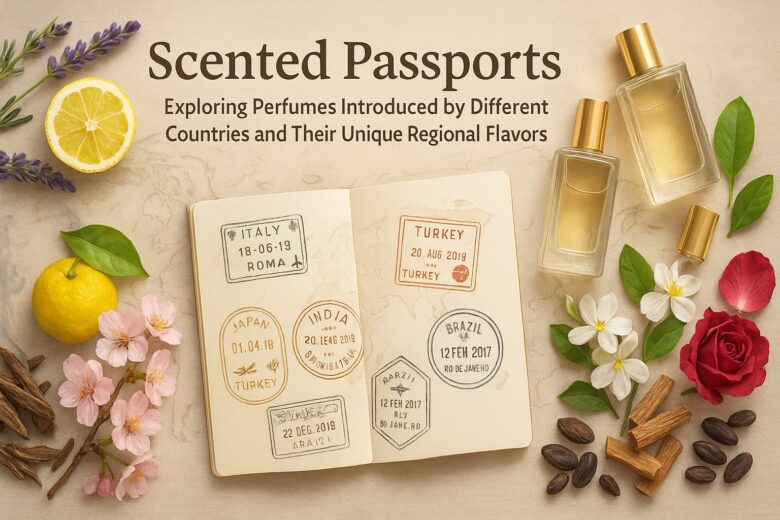
Scented passports offer a fragrant journey through global perfumes.
Scented passports take you on a fragrant journey through global perfumes.
scented passports — Overview
Embark on a Fragrant World Tour
Perfumes have long been cultural ambassadors, capturing the essence of a place through scent. From the sun-drenched citrus groves of Italy to the exotic spice markets of Sri Lanka, each country’s perfumes act as scented passports, offering a sensory glimpse into its heritage, climate, and artistry. Today, we journey across continents to explore iconic perfumes introduced by different countries, highlighting their regional specialties and what makes them truly distinctive.
France: The Timeless Epicenter of Perfumery
When one thinks of perfume, France inevitably comes to mind. The country’s long-standing tradition in fragrance, especially in the region of Grasse, is legendary. French perfumes typically balance florals, woods, and chypres, reflecting both classic and modern styles.
- Chanel No. 5: Introduced in 1921, it revolutionized perfumery with its abstract aldehydic composition, blending jasmine, rose, and sandalwood. It remains an icon of elegance and French sophistication (Chanel Official).
- Dior’s J’adore: A modern floral bouquet emphasizing ylang-ylang, damask rose, and jasmine, evoking the opulence of French gardens.
France’s regional specialties also include lavender from Provence and mimosa from the Côte d’Azur, often celebrated in artisanal fragrances.
Italy: Citrus and Mediterranean Elegance
Italy’s perfume identity is deeply tied to its Mediterranean landscape. Italian fragrances often feature bright, fresh citrus notes, reflecting the abundance of lemons, bergamot, and oranges cultivated in regions like Sicily and Calabria.
- Acqua di Parma Colonia: Introduced in 1916, this classic cologne blends Sicilian citrus oils with lavender and rosemary, embodying Italian freshness and sophistication (Acqua di Parma Official).
- Versace Dylan Blue: A modern interpretation with aquatic, citrus, and woody notes, reflecting the contemporary Italian luxury spirit.
Italian perfumery often encapsulates the sun-drenched warmth and zest of the Mediterranean coast, making its scents vibrant and uplifting.
Japan: Minimalism and Nature-Inspired Elegance
Japanese perfumery is known for its subtlety and reverence for natural elements. Unlike Western perfumes, which often emphasize complexity and projection, Japanese scents are typically delicate, harmonious, and inspired by nature’s fleeting beauty.
- Shiseido Zen: Combines green tea, lotus, and citrus notes to evoke a calm, meditative atmosphere, reflecting Japanese aesthetics (Shiseido Official).
- Comme des Garçons Amazingreen: An olfactory homage to the vitality of green plants, with ivy, coriander, and basil.
Japanese perfumes often capture the essence of seasons—like cherry blossoms in spring or autumn leaves—favoring ephemeral beauty over bold statements.
Sri Lanka: Exotic Spices and Tropical Flora
Emerging in the global fragrance scene, Sri Lanka offers a unique palette of scents inspired by its lush tropical environment and rich spice heritage. The island’s perfumery often blends fragrant woods, spices, and exotic florals, creating scented passports that reflect centuries-old traditions and biodiversity.
- Perfuma’s Cinnamon & Clove: A fragrant blend inspired by Sri Lanka’s famous cinnamon plantations, accented by clove and nutmeg, evoking warmth and spice (Perfuma Official).
- Victorias.lk’s Jasmine Musk: Incorporates local jasmine blossoms with a sensual musk base, highlighting the island’s floral abundance (Victorias.lk).
Sri Lankan perfumes exemplify how regional ingredients like cinnamon bark and tropical flowers can create rich, evocative scents with a distinct island character.
Middle East: Opulence and Oud Traditions
The Middle East has profoundly influenced perfumery worldwide, particularly through its use of oud (agarwood), spices, and resins. Perfumes from this region often exude depth, warmth, and exoticism.
- Amouage Reflection Man: A luxurious blend with jasmine, neroli, and sandalwood, showcasing Omani perfumery’s refinement (Amouage Official).
- Rasasi’s Oudh Al Misk: Combines rich oud with musk and amber, epitomizing traditional Middle Eastern fragrance profiles.
The Middle Eastern focus on deep, resinous, and woody notes contrasts with the lighter, fresher scents of Europe and Asia, contributing richly to the diversity of global fragrances.
How to Sample or Buy These Regional Perfumes
Exploring perfumes from different countries is a delightful way to experience diverse cultures. These fragrances serve as scented passports to new traditions and aromas. Here are some trusted online retailers where you can discover and sample these unique scents:
- PerfumiQ (UK): A curated selection of global niche and classic perfumes, including European and Middle Eastern brands.
- Perfuma (Sri Lanka): Offers authentic Sri Lankan fragrances inspired by local spices and flora.
- Victorias.lk (Sri Lanka): Specializes in perfumes highlighting Sri Lanka’s rich botanical heritage.
Sampling perfumes before committing to a full bottle is always recommended. Many shops offer sample sets or decants, allowing you to experience the scent’s evolution on your skin. Whether you prefer the airy citrus notes of Italy, the opulent oud from the Middle East, or the exotic warmth of Sri Lanka, these scented passports offer a fragrant journey waiting for you.
As you explore these scented passports, remember that perfumes are not just about smell—they are stories, memories, and emotions bottled for the world to share.
Explore more on Scented Stories: Exploring Perfumes Introduced by Different Countries and Their Regional Charms.