

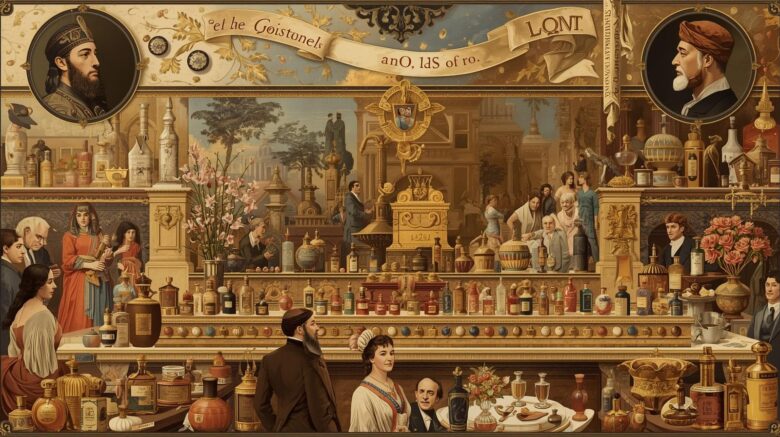
The legacy of perfume showcases pivotal milestones in fragrance history.
The Timeless Legacy of Perfume: Milestones and Influential Figures in Fragrance History
From the fragrant oils of ancient civilizations to the sophisticated compositions of modern perfumery, the history of perfume is a captivating journey through culture, art, and science. Perfume has not only scented our bodies but also marked epochs, expressed identity, and inspired creativity across centuries. Today, we explore the pivotal milestones and remarkable figures who shaped the fragrant world we cherish.
Ancient Beginnings: The Birth of Fragrance
Perfume’s story begins thousands of years ago, rooted in rituals and spirituality. Early uses of aromatic substances were primarily for religious ceremonies and burial rites.
- Mesopotamia (circa 4000 BCE): The earliest recorded perfume recipes were found on clay tablets from ancient Mesopotamia. These texts detailed methods of extracting scents from flowers and resins using oils and fats.
- Egyptians and the Art of Incense: Egyptians elevated perfume to an art form, using fragrant oils and balms in daily life and for embalming the dead. Queen Cleopatra famously employed scents like myrrh and jasmine to captivate Julius Caesar and Mark Antony.
- Indus Valley Civilization: Archaeological discoveries show evidence of early distillation techniques used to produce fragrant oils, reflecting a sophisticated understanding of scent extraction.
These civilizations laid the foundation for perfumery as a blend of chemistry and creativity, influencing later cultures such as the Greeks and Romans to develop their own fragrant traditions.
Middle Ages and the Rise of Alchemy
The fall of the Roman Empire saw a decline in perfumery, but the art experienced revival in the Islamic Golden Age, where alchemists advanced distillation techniques crucial for modern perfume making.
- Avicenna (Ibn Sina): The Persian polymath is credited with perfecting the process of distilling rose water in the 10th century, revolutionizing the use of floral extracts in perfume. This advancement enabled clearer, more refined scents and influenced European perfumery centuries later.
- Medieval Europe: Perfume became a luxury among the aristocracy and clergy. The Crusades helped reintroduce aromatic goods and knowledge from the East to Europe, sparking increased interest and innovation.
The Renaissance and Birth of Modern Perfumery
The Renaissance brought a resurgence of art and science, and perfume blossomed alongside. Italy and France became centers of fragrance production, with new ingredients and techniques expanding the perfumer’s palette.
- Grasse, France: This town became the perfume capital in the 16th century, specializing in cultivating flowers like jasmine and rose specifically for scent extraction. Grasse remains a key player in the industry today.
- Catherine de Medici: The Italian noblewoman who married into French royalty is often credited with popularizing perfume at the French court, commissioning personal scents and influencing European tastes.
- Jean Carles: Though later in the early 20th century, Carles’ methods of perfume composition reflect the culmination of centuries of refinement. He developed structured approaches to blending notes that remain foundational.
Iconic Figures Who Shaped Perfumery
Certain individuals stand out for their visionary contributions to the fragrance world:
- François Coty (1874–1934): Often called the “father of modern perfumery,” Coty revolutionized the business by combining artistry with marketing. He introduced mass production and elegant packaging, making perfume accessible beyond royalty and elite circles.
- Ernest Beaux (1881–1961): Creator of Chanel No. 5, Beaux crafted one of the most enduring and influential fragrances ever. His innovative use of synthetic aldehydes broke conventions and opened new creative dimensions.
- Jean-Claude Ellena: A contemporary master perfumer, Ellena is known for minimalist compositions and poetic storytelling through scent, serving as the in-house perfumer for Hermès and inspiring a generation of fragrance artists.
Milestones That Marked Fragrance Evolution
- Distillation Techniques: The refinement of steam distillation in the 11th century allowed for purer essential oils, dramatically improving fragrance quality.
- Synthetic Aromatics: The late 19th century introduced synthetic molecules like vanillin and coumarin, broadening the scope of perfumery beyond natural extracts.
- Commercialization Era: The 20th century saw perfumes becoming a staple of personal grooming and fashion, with iconic brands like Guerlain, Dior, and Chanel shaping global markets.
How to Sample or Buy Perfumes Today
The rich heritage of perfume is accessible at your fingertips across diverse markets. To experience fragrances that echo history or embrace modern innovation, consider exploring trusted retailers:
- PerfumiQ (UK) – A curated collection offering both classic and niche brands, perfect for discovering timeless scents.
- Perfuma (Sri Lanka) – Featuring a wide range of international perfumes and expert advice tailored for fragrance enthusiasts.
- Victorias.lk (Sri Lanka) – Offering luxury fragrances alongside skincare and beauty, ideal for those who appreciate exquisite scents.
Sampling perfumes in person or requesting sample sets online can help you appreciate the complexity and artistry behind each fragrance. Remember, choosing a perfume is a personal journey — one that connects you to centuries of fragrant tradition and innovation.
For more detailed histories and fragrance notes, sites like Fragrantica and Basenotes offer rich resources and community insights.
Explore more on Habanera by Arte Profumi: The Perfect Autumn Fragrance (Update).