

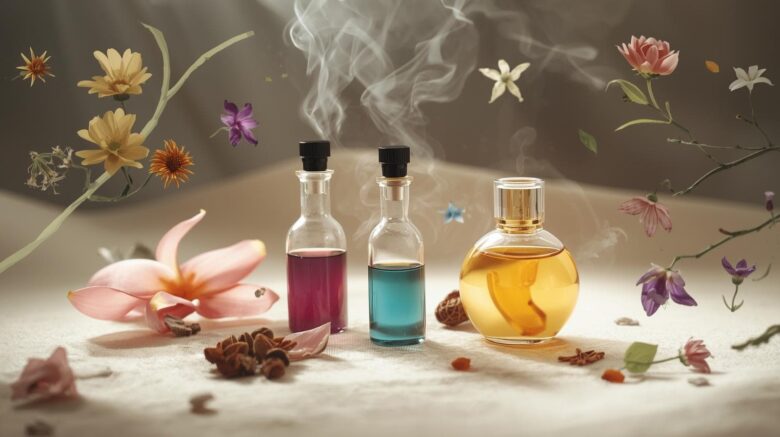
Fragrance oils hold hidden secrets that every scent enthusiast should explore.
Fragrance oils hold fascinating secrets about scent crafting.
Behind the Scenes of Scent: Discovering the Unseen Elements
When we think of perfumes and fragrances, familiar names like jasmine, vanilla, or sandalwood usually come to mind. Yet, the world of fragrance oils and ingredients is vast and full of surprises that many enthusiasts overlook. From rare botanical extracts to synthetic marvels mimicking nature’s complexity, these lesser-known components play a vital role in crafting the scents we love.
Uncommon Natural Ingredients: Beyond the Usual Bloom
While popular notes dominate most fragrance compositions, there are intriguing natural ingredients with fascinating backstories and unique aromatic profiles that remain underappreciated.
1. Ambrette Seed Oil
Extracted from the seeds of Hibiscus abelmoschus, ambrette seed oil is a natural musk substitute prized in perfumery. Unlike animal musk, ambrette provides a warm, musky aroma with floral and fruity undertones. This makes it a popular choice for vegan and cruelty-free fragrances. Its scent profile is nuanced, blending softness with an earthy depth, often used as a base note.
2. Orris Root
Derived from the rhizomes of Iris germanica and related species, orris root has a powdery, violet-like scent that many describe as luxurious. What’s lesser-known is that it takes three to five years of aging after distillation to reveal its full aromatic potential. This patience in processing contributes to its rarity and high cost, yet it remains a cornerstone ingredient for adding elegance and depth to perfumes.
3. Tagetes (Marigold)
Tagetes oil, obtained from the marigold flower, carries a green, citrusy, and slightly spicy aroma. Not as widely recognized as other floral notes, it adds vibrancy and freshness to compositions, often used in colognes and citrus blends. Its ability to bridge freshness with earthiness makes it a versatile ingredient for perfumers seeking complexity.
The Art of Synthetic Ingredients: Nature’s Allies in Perfumery
Contrary to some perceptions, synthetic fragrance ingredients are not merely artificial substitutes. Many are carefully engineered molecules that replicate, enhance, or create aromas impossible or impractical to source naturally.
1. Calone: The Oceanic Note
Introduced in the 1980s, calone revolutionized fresh and aquatic scents with its distinctive marine, watermelon-like aroma. It evokes sea breeze and watery freshness, giving perfumes a modern, airy character. Since its debut, calone has been crucial in creating the ‘aquatic’ genre, influencing countless fragrances worldwide.
2. Iso E Super
Iso E Super is a synthetic molecule renowned for its subtle, woody, ambergris-like scent. What’s fascinating is its ability to interact with skin chemistry, sometimes creating a unique aura that seems to emanate from the wearer rather than the fabric or clothes. Its widespread use in niche and designer perfumes highlights its importance in modern perfumery.
3. Hedione
Originally discovered in jasmine, hedione is a synthetic ingredient known for its fresh, radiant, and jasmine-like aroma. It’s credited with adding luminosity and diffusion to fragrances, making them feel more vibrant and alive. Hedione also has an intriguing effect on the brain, linked to mood enhancement, which perfumers leverage to create emotionally uplifting scents.
Historical and Cultural Tidbits Behind Ingredients
Many fragrance ingredients carry rich histories and cultural significance that add layers of meaning beyond their scent.
- Frankincense: Used for thousands of years in religious rituals and medicine, this resin’s smoky, balsamic aroma connects spirituality with perfumery.
- Oudh (Agarwood): Highly prized in Middle Eastern perfumery, oudh is a resinous heartwood with a complex scent profile ranging from sweet and woody to animalic and smoky. Its rarity and labor-intensive harvesting contribute to its legendary status.
- Galbanum: A green, resinous note with a sharp, fresh aroma, galbanum has been used since antiquity and adds a crispness to chypre and fougère fragrances.
Environmental and Ethical Dimensions
With growing awareness, perfumers and consumers alike are paying attention to the sustainability and ethics surrounding fragrance ingredients.
- Endangered Plants and Overharvesting: Ingredients like sandalwood and orris root face supply challenges due to overharvesting and slow cultivation.
- Vegan Alternatives: Natural musks from animals have been largely replaced by plant-based or synthetic musks to align with ethical standards.
- Biotechnology: Advances in biotechnology now allow the creation of fragrance molecules via fermentation, reducing environmental impact.
How to Sample or Buy These Unique Fragrance Oils
Exploring these lesser-known fragrance ingredients firsthand can deepen your appreciation and understanding of perfumery. Here are some trusted shops where you can discover niche scents and raw fragrance oils:
- PerfumiQ (UK) – A curated selection of artisan and niche perfumes, ideal for discovering unique scent profiles and rare ingredients.
- Perfuma (Sri Lanka) – Offers an exclusive range of premium fragrances and oils, including rare natural ingredients sourced globally.
- Victorias.lk (Sri Lanka) – A diverse collection of perfumes and fragrance products catering to both classic and modern scent lovers.
Sampling is key to truly experiencing these complex ingredients. Many of these shops offer discovery sets or decants, allowing you to explore without committing to full bottles. Armed with this knowledge, your next scent journey can be filled with fascinating notes that tell stories beyond the surface.
“The world of fragrance is a treasure trove, where even the smallest ingredient can unlock a universe of sensations.” – Adapted from Fragrantica
Explore more on The Timeless Legacy of Perfume: Milestones and Influential Figures in Fragrance History.